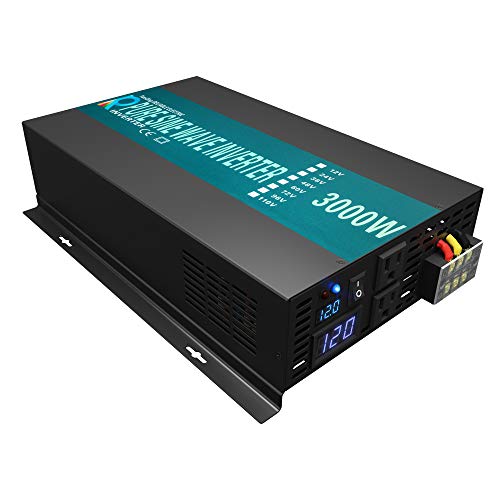
Inverters & Continuous Converters for Renewable Power Systems
Explore inverters and continuous converters engineered to transform DC energy from solar panels or batteries into stable AC power for homes and professional installations. Choosing the right converter ensures efficient energy use, protects connected devices and supports varied load types from lighting to sensitive electronics.
Key technical aspects to compare
Assess continuous and peak power ratings, waveform type (pure sine wave for sensitive equipment), conversion efficiency and thermal management. Hybrid inverters can integrate battery storage and grid interaction, while standalone models focus on off-grid reliability. Pay attention to built-in protections such as overload and short-circuit safeguards.
Selection and operational tips
- Sizing: size inverters to handle typical continuous loads and consider surge capacity for motor starts.
- Waveform: choose pure sine wave units for electronics and appliances that require clean power.
- Cooling and placement: allow airflow and avoid enclosed hotspots to preserve longevity.
- Compatibility: verify inverter compatibility with battery chemistry and charge controllers in the system.
- Cost-effective options: refurbished or clearance inverters can be viable when backed by testing and a warranty, particularly for non-critical or experimental setups.
Selecting the right continuous converter balances performance, efficiency and reliability. Evaluate use cases, match specifications to load profiles and ensure proper installation to gain dependable AC power from renewable sources.
2 results