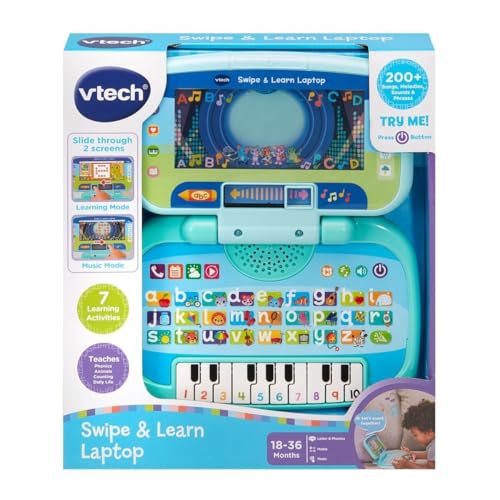
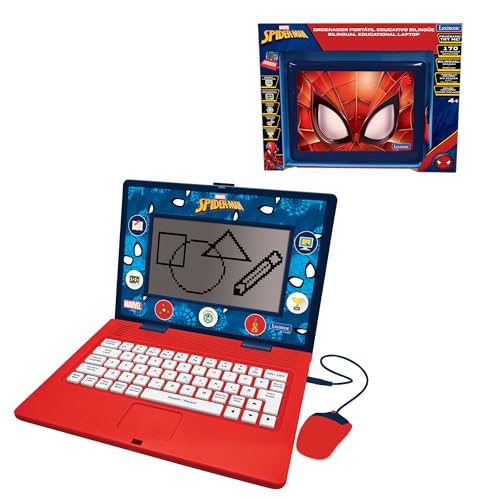
Electronic Educational Games: Interactive Learning with Digital Tools
Electronic educational games combine interactive screens, sensors and software to teach math, language, science and problem solving. These devices offer adaptive challenges and instant feedback that support independent practice and motivation.
Advantages of electronic learning games
Digital features allow for personalised pacing, progress tracking and multimedia explanations. Gamified rewards and level-based progression help sustain engagement while teaching core skills. Many devices include parental controls and curriculum-aligned content.
Buying considerations and value
- Age and content fit: choose systems with appropriate difficulty and subject focus.
- Durability and battery life: robust builds for regular use and long sessions.
- Software updates: platforms that receive content improvements and security updates.
- Cost-effective options: refurbished devices or clearance models can offer reliable performance at lower prices.
When selecting electronic educational games, balance interactivity with screen-time goals and look for explanations that promote understanding rather than memorisation. Refurbished units and verified customer returns are often a practical way to access higher-quality hardware at a reduced cost, especially for classrooms or multi-child households.
23 results